What Makes a Sosocamo Type Beat Sound Like Sosocamo?
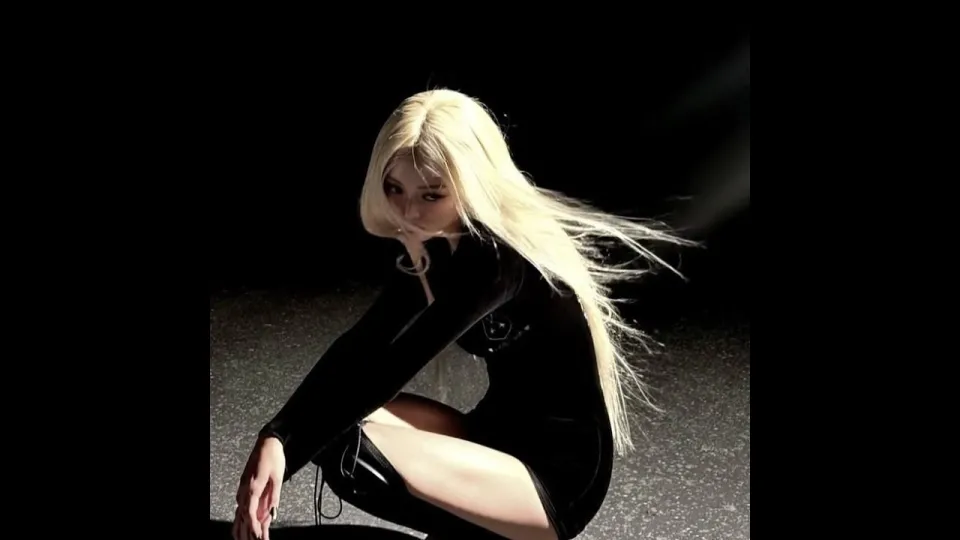
Video: SOSOCAMO TYPE BEAT "NIGHT SHIFT" / DON TOLIVER TYPE BEAT
A Sosocamo type beat is a melodic, low-tempo instrumental built to fit the hazy, autotuned vocal style associated with Sosocamo and the wider plugg-adjacent rap scene. The clearest recent example is "Night Shift" by producer oluwi, a 76 BPM beat in F major that also carries a Don Toliver tag, and you can license it directly through the BeatStars listing for "Night Shift". That combination of tempo, key and mood is what separates a genuine Sosocamo type beat from a generic trap loop with a dark pad on top.
What defines the Sosocamo type beat sound
The Sosocamo type beat formula relies on space, melody and restraint rather than aggression. Producers working in this lane tend to favor tempos between roughly 70 and 80 BPM, which leaves room for long, drawn-out vocal takes and heavy autotune without the beat crowding the voice. "Night Shift" sits at 76 BPM, squarely inside that pocket.
Key choice matters just as much. F major gives the beat a bright but slightly wistful color — major-key melodics over minor-leaning chord movement is a signature of this style, because it produces that bittersweet, late-night feel artists gravitate toward. The main sonic ingredients usually include:
- A soft, detuned melodic loop — keys, bell or guitar — carrying the emotional weight.
- Sub-heavy 808s that glide rather than punch, with long decay tails.
- Sparse, rolling hi-hats and a snare that sits low in the mix.
- Ambient textures, vinyl noise or reverb tails filling the gaps between phrases.
- A vocal chop or sample fragment used as a hook rather than a full drop.
The result is a beat that feels empty on purpose. That emptiness is the feature, not a flaw — it is where the artist's ad-libs and stacked harmonies live.
How "Night Shift" is structured from start to finish
"Night Shift" is organized into labeled blocks rather than a conventional verse-chorus grid, which is common for beats sold to artists who write their own arrangement. The producer marks sections as B, C and D, and the beat cycles through them in a fixed order.
The sequence opens on a B section, moves into C, returns to B, then C again, then B, then C, then B once more, and closes on a D section. In practice this means the B block functions as the main groove — the part an artist would treat as a chorus or hook — while C acts as the alternate passage, slightly stripped or varied, suited to verses. The single D section at the very end is the outro or switch-up, a place to change the harmonic color before the track fades.
For a songwriter, that layout is a map. Count the bars as you listen once, note where B and C alternate, and you already know where your verse and hook boundaries fall without guessing.
Tempo, key and how to write over a 76 BPM beat
A 76 BPM beat plays at roughly half the speed of a 152 BPM trap track, which changes how you should approach your vocal. At this tempo the drums feel slow and heavy, so the vocal has to carry the rhythmic interest.
A practical workflow looks like this:
- Set your DAW session to 76 BPM and import the beat so the grid lines up with the kicks.
- Write in double-time phrasing — twice as many syllables per bar as the drums suggest — to keep energy up.
- Keep verses in a narrow melodic range and let the hook open up into the upper register.
- Use the B sections for hooks and the C sections for verses, following the producer's own block order.
- Leave the first two bars of each section mostly empty so ad-libs and reverb tails breathe.
Because the beat is in F major, melodies built on F, A and C will sit naturally, while a G or D will add tension without breaking the key. If you are not confident in key, hum along to the loop and match the note you land on most often.
Sosocamo type beat versus Don Toliver type beat
"Night Shift" is tagged as both a Sosocamo type beat and a Don Toliver type beat, and that dual label is not marketing noise — the two styles genuinely overlap. Don Toliver's catalog leans on atmospheric, reverb-soaked production with melodic hooks and a lot of low-end movement, and the Sosocamo lane borrows much of that same toolkit while pushing tempos slightly lower and textures slightly darker.
The practical difference shows up in vocal treatment. A Don Toliver type beat usually invites a clean, high, floaty lead vocal with heavy reverb throws; a Sosocamo type beat tolerates more processing, more autotune artifacts, more layered whispers and ad-libs. If you are shopping for beats, treat the tags as a range rather than a strict category — a single instrumental can serve both reference points, which is exactly what happens here.
Licensing, pricing and what you get with the beat
The beat is sold through BeatStars, the standard marketplace for type beat licensing, and the purchase link is https://bsta.rs/OLJOdi. BeatStars listings typically offer several tiers — a basic lease with a streaming cap, a premium lease with higher limits and tracked-out stems, and an exclusive option that removes the cap entirely — so check the specific terms on the listing before you release anything.
There is also a running bundle deal: buy two beats, get one free. For an artist planning an EP, that is the cheapest route to a consistent sound, since you can pick three instrumentals from the same producer and keep the sonic palette unified across the project.
Producers who want the underlying sound design rather than the beat itself have two free resources from the same channel: a pack of 20 free Analog Lab presets at https://wav.id/oluwi and sample packs at https://wavs.com/oluwi.
Useful links
- Buy or lease "Night Shift" (76 BPM, F major): https://bsta.rs/OLJOdi
- Free 20 Analog Lab presets for producers: https://wav.id/oluwi
- Sample packs from oluwi: https://wavs.com/oluwi
- Direct contact for questions: oluwiprod@gmail.com or Instagram @oluwi.prod
Final thoughts on picking a Sosocamo type beat
A Sosocamo type beat lives or dies on restraint: low tempo, a major key with a melancholy edge, and enough empty space for an autotuned vocal to sit in. "Night Shift" demonstrates the formula cleanly at 76 BPM in F major, with a simple B–C block structure that tells you where your hooks and verses belong before you write a word. If the sound fits what you are making, license it through the BeatStars page and take advantage of the buy-two-get-one-free deal while it runs. This breakdown was put together by the oluwi channel, which produced the beat and publishes the accompanying preset and sample resources.
Key takeaways
- "Night Shift" by oluwi runs at 76 BPM in F major.
- The beat is tagged as both a Sosocamo type beat and a Don Toliver type beat.
- Structure follows a B–C–D block layout with repeated B and C sections.
- Licensing runs through BeatStars at https://bsta.rs/OLJOdi.
- Bundle deal: buy two beats, get one free.
Questions & answers
What tempo and key is the "Night Shift" Sosocamo type beat in?
The beat runs at 76 BPM in F major. That tempo sits in the slow, melodic pocket typical of Sosocamo and Don Toliver type beats, and the major key gives it a bright but wistful tone. It is available for license through BeatStars.
Can I use a Sosocamo type beat for free?
Only if the listing explicitly offers a free download for non-profit use, which usually means no streaming release and no monetization. For anything you plan to publish, you need a lease or exclusive license. Check the terms on the specific BeatStars listing before uploading.
How is a Sosocamo type beat different from a Don Toliver type beat?
They overlap heavily in atmosphere, tempo and low-end treatment. The difference is mainly vocal intent: Don Toliver-style beats favor clean, floaty leads, while Sosocamo-style beats tolerate heavier autotune, layered whispers and denser ad-libs. One instrumental can often serve both.
How do I write a song over a 76 BPM beat?
Set your session to 76 BPM, then write in double-time phrasing so the vocal carries the rhythm the slow drums do not. Keep verses narrow in range and open up in the hook, and leave space at the start of each section for ad-libs and reverb tails.
Source: SOSOCAMO TYPE BEAT "NIGHT SHIFT" / DON TOLIVER TYPE BEAT · Markdown version